

What is a Gas Safety Certificate?
A Gas Safe engineer will issue a gas safety certificate after examining your property's gas appliances. These certificates are legally required and may be requested during the process of conveyancing by prospective buyers.
Landlords are legally required to organize annual gas safety checks on all their properties with gas installations and appliances. Gas Safety Certificates are issued to document these checks. They contain information about the appliances and installations examined, the date of inspection and any issues that were discovered.
What is a gas safety certificate?
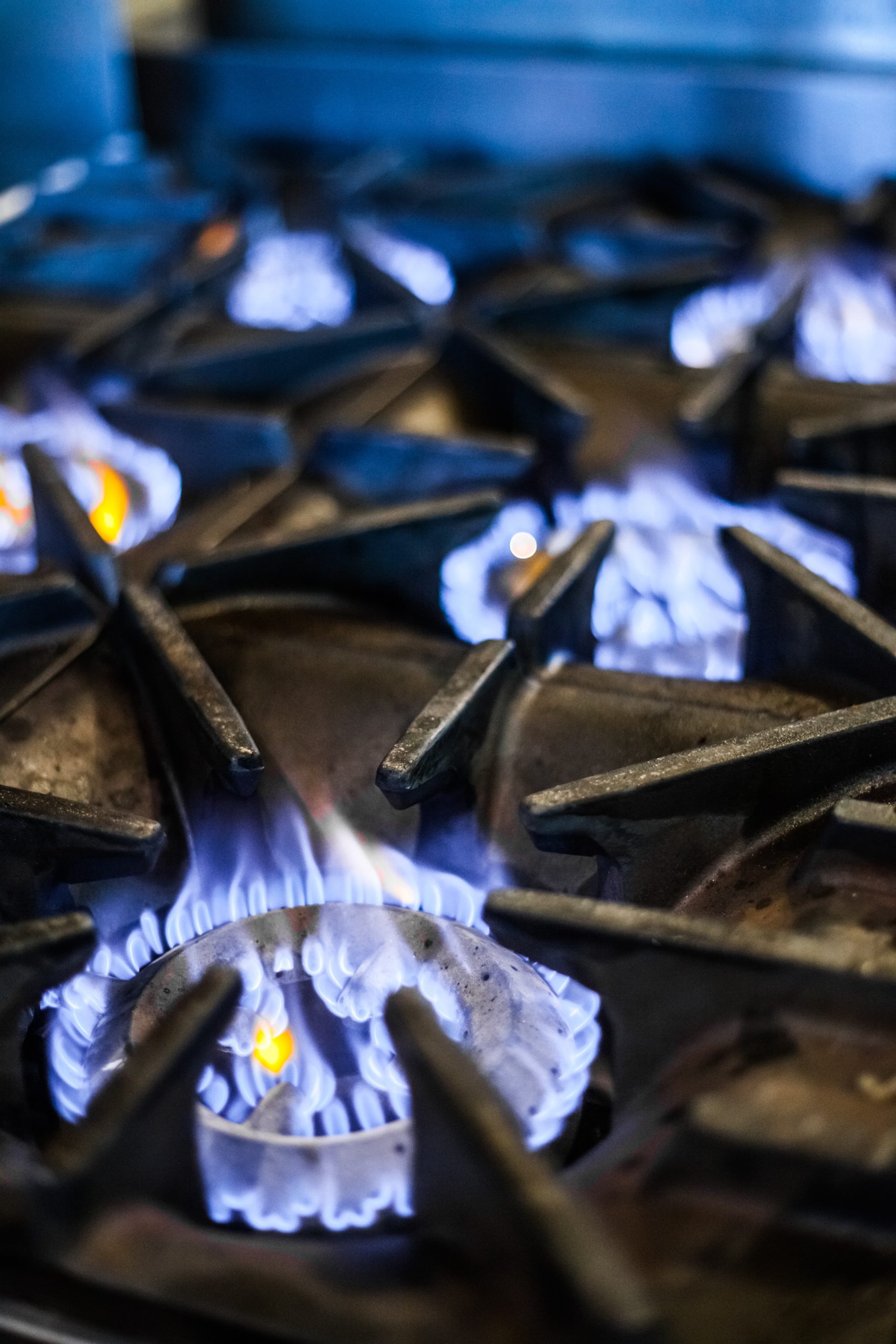
A gas safety certificate provides evidence that all of the gas appliances and installations in the property are safe and suitable to use. The certificate is issued by a certified gas engineer who has checked all gas pipes, fittings, and appliances within the property. The engineer will check for signs of poor maintenance and repairs. He will also make sure that the appliances are operating properly and do not leak dangerous gases, such as carbon monoxide.
Landlords are responsible for ensuring that the gas appliances in their properties are safe and in compliance with applicable regulations. gas safety certificates are an important element of this procedure. A valid gas safety certificate is required for renting out any property. Landlords are also required to test and inspect all gas appliances every year. If a landlord fails to maintain their gas certificates may be liable for serious legal penalties.
A gas safety certificate is typically a standard black and white sheet that lists the date of the inspection, the engineer's details as well as the address of the property and a full list of appliances included in the check. The certificate will also specify whether the appliances are at risk, in a non-satisfactory condition (NCS) or immediately dangerous (ID). The engineer will also check that all of the gas appliances are properly ventilated to prevent the accumulation of carbon monoxide.
To avoid any safety issues landlords should make an appointment as soon as they can with an Gas Safe registered technician to examine their gas appliances. The engineer will provide an emergency gas certificate in less than 24 hour, valid for 12 months.
Homeowners don't necessarily need an official gas safety certificate however it is recommended that they get their appliances and installation checked regularly by a licensed engineer. This will not only guarantee that the appliances function efficiently and safely and safely, but also help to identify any issues early, thereby saving money and potentially avoiding dangerous explosions or leaks. A gas safety certificate is very useful for homeowners who plan to sell their home in the future. It proves that the home was inspected and all appliances are safe.
Who is in need of a gas safety certificate?
It is essential to ensure the safety of your property, whether a landlord, a tenant or homeowner. It's essential to maintain your property, and ensure that all appliances and installations are in good working order. landlord gas safety certificate how often , or CP12 are among the most effective tools in this regards.
The CP12 document is a valid document that shows that all the appliances and installations at your home have been examined and are safe to use. The certificate will include information about the engineer who performed the inspection and details about the property. The certificate will also mention any issues discovered and any suggestions for work to ensure the safety and security of your appliances.
Landlords must have a CP12 valid for their rental property. This is to safeguard tenants, and to ensure that all gas fittings and equipment is safe to use. It is essential that landlords have their CP12 documents renewed each year and provide a copy to their tenants.
If a landlord doesn't have an approved gas safety certificate for their property and is not registered, they could be liable to fines and even risk having their rental property closed down. It is illegal to rent a property out without a valid CP12.
The law doesn't oblige homeowners to obtain a certificate of gas security for their home. A certificate can make homeowners feel more confident about their home's safety and can also prove useful if they ever decide to sell it.
The time needed to carry out the gas safety inspection will vary based on how many appliances and fittings have to be checked. During the inspection the engineer will make sure that all gas appliances and installations are in good working order and they are operating safely. The engineer will also check that harmful gases, like carbon monoxide, are being transported correctly through ventilation passages and are not accumulating inside the building.
What is the purpose behind a gas safety certificate?
As a landlord, it is your responsibility to make sure that the gas appliances in your rental property are safe to use. A gas safety certificate is a method to prove that the tests were carried out and that the appliances are safe. This will help to reduce the chance of fires or carbon monoxide poisoning in your property.
A Gas Safe registered engineer will fill out the gas safety certificate following an exhaustive inspection of the home. The certificate will include the date of service, the engineer's details and a list of all gas appliances tested. It will also state whether or not the appliances passed or failed the tests.
When it comes to selling a property an authentic gas safety certificate can put potential buyers at ease over the functionality and safety of all the appliances that are in the home. This can increase the chances of selling a home. All landlords should ensure that they have an official gas safety certificate prior to placing their property on the marketplace.
Landlords that fail to obtain gas safety certificates may be subject to hefty fines or even prison time. To avoid these penalties, it is essential that you take the time to arrange regular gas safety inspections for your properties.
The Gas Safe engineer will not only look for dangerous gases but also inspect the pipework and flues to ensure they are in good operating condition. They will test for signs of blockages, corrosion leaks, as well as other issues that could impact the safety of tenants.
Occasionally, you may find tenants who are hesitant to let the gas engineer in their home to carry out the inspection. It is usually because they are afraid that the gas engineer is encroaching on their privacy. However, it is important to remind tenants that it is legally required and can help to prevent Carbon Monoxide poisoning.
How do I get a gas safety certificate?
A gas safety certificate is legally required for those who lease out their home. It proves that the appliances and gas installations in the home are safe and operating correctly. A landlord could be charged and fined if they are not able to obtain gas certificates. Therefore, it's crucial to get one in time.
Gas companies can arrange for a certified engineer to conduct an inspection for gas safety. The engineer will then visit the home and perform a series of checks to make sure everything is safe. This includes making sure that the ventilation is tight and secure of gas fittings.
In the majority of cases, landlords will be required to give the gas certificate to each of their tenants. They will need to do this within 28 days of the inspection having been completed. This is to ensure that tenants have a copy of the check when they move in or when they start renting the property.
Landlords also need to keep a log of the gas safety checks they have conducted on their property. The record should be kept in a readily accessible and safe location. This record should contain the name of the engineer who carried out the inspection and the date and the results of the inspection. It should also record any repairs that have been made as a result of the inspection.
Although homeowners aren't legally obliged to have a gas safety certificate however, they should have their gas appliances inspected regularly by a licensed engineer. This will reduce the chance of leaks and carbon monoxide poisoning. It could also be helpful in the event that you decide to sell your property since a valid gas safety certificate will speed up the process of conveyancing by proving that all of the gas appliances within your home are safe and working properly.
A Gas Safety Certificate is not the same as a boiler service. A boiler service is more thorough and takes longer. It involves things like gaskets and seals being replaced, burners and heat exchangers being cleaned and checking for any signs of leaks.